
The player begins again
Repeated registrations fragment team history, progress and the relationship with the community.
Connect players, teams, competitions and communities in a white-label environment that grows from a local event to a wider movement.
For esports organisations, federations, brands and education.
 A player’s story continues
A sign-up form, a bracket and a chat server can deliver an event. A lasting programme needs the connections between them.
Repeated registrations fragment team history, progress and the relationship with the community.
Disconnected tools turn each local event into another round of manual administration.
Results, learning and relationships should feed the next opportunity, not disappear into a final report.
The value is the architecture: persistent identity, meaningful competition, local responsibility and a reason to return.
Identity · participation · progress
Identity connects the stages; your programme defines the rules.
Choose the route that matches the work you want to do.
Replace disconnected registration, team and event workflows with a shared competitive home.
02 / FederationsGive national and local stakeholders a shared foundation with clear responsibility at every level.
03 / Brands & agenciesCreate relevant activations that give gamers something to do, join and remember.
04 / Schools & universitiesGive educators a structured way to introduce competition, teamwork and digital literacy.
Explore the tools and workflows behind a connected esports programme.
A persistent Gamer Passport connects a person’s gaming life across teams, competitions and communities—so every new event does not have to start from zero.
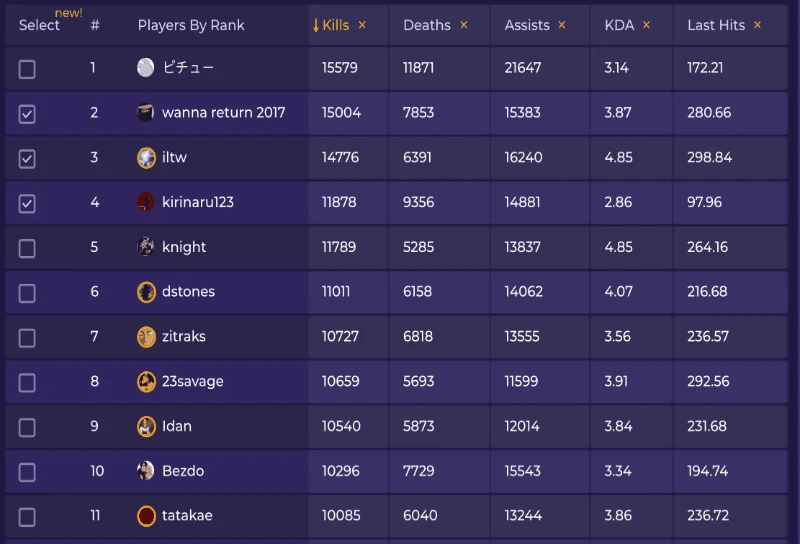
↗02 / Ranking engineRecognise progress in the community where a player belongs—and connect it to a wider pathway. Configure how events contribute instead of forcing every programme into one leaderboard.
↗03 / White-label ecosystemsGive an entire programme a connected home: your brand, your participation pathway, and useful tools for the people delivering it locally.
↗04 / Data & access governanceA shared ecosystem does not require every operator to see everything. Structure access around geography, role, purpose and responsibility.
↗05 / Competition operationsConnect registration, teams, brackets, match communication, results and rankings in a repeatable operating workflow.
↗06 / Teams & scoutingConnect player discovery with team identity and competition history. Give a solo player a route into a roster and a programme a clearer view of emerging talent.
↗07 / Safety, integrity & AILayer participant safeguards, communication protection and accountable competition decisions over the ecosystem—not around a single chat box.
↗08 / Commercial activationUse Gamer ID to connect branded competition, membership and approved offers across digital and physical experiences.
↗09 / Operator academySupport the administrators, referees, community leaders and educators who make an esports programme work.
↗Configure points, eligible events and ranking contexts around your pathway.
Change the event weight or ranking view. Each view uses the same player identity; its eligible event set determines the score.
| Place | Player | Points |
|---|
Combine integrity workflows with separately scoped Valvur protection and human review.
Agree age, consent and identity checks for the participants you serve.
Protect supported channels and route reports to people who can respond.
Manage participant restrictions with evidence, defined scope and a route for review.
Explore how connected identity and competition can serve different communities.
Local organizers run events in their own branded spaces. A coordinated program connects approved results, player development and seasonal rankings across regions.
Explore the operating model ↗Schools and educational networksSchools receive local competition spaces, age-appropriate participation rules, operator guidance and a shared calendar. Pupils can find teammates and retain a coherent competition record.
Explore the operating model ↗UniversitiesCampus communities recruit participants, maintain team rosters and run internal fixtures before an agreed inter-campus season. Institution-specific rankings give developing players a visible place to progress.
Explore the operating model ↗An original beginner’s guide informed by the book of Passport.GG founder Ignat Bobrovich. Clear explanations, practical decisions and routes into the industry.
See a sourced comparison of six established alternatives and the requirements that make Passport.GG a compelling candidate.
Tell us what you want to connect: the people, the pathway, the operators and the outcomes. We’ll shape a practical deployment around them.
Create your project briefResearch, book-informed analysis and the events shaping esports in 2027.
Fifteen practical outlooks for schools, universities, programme owners and the people building the industry.
Explore the journalExplore major circuits and pathways by game, date, competitive context and organiser model.
Open the calendar